In Conversation with Daniel Hendler: A Loose End
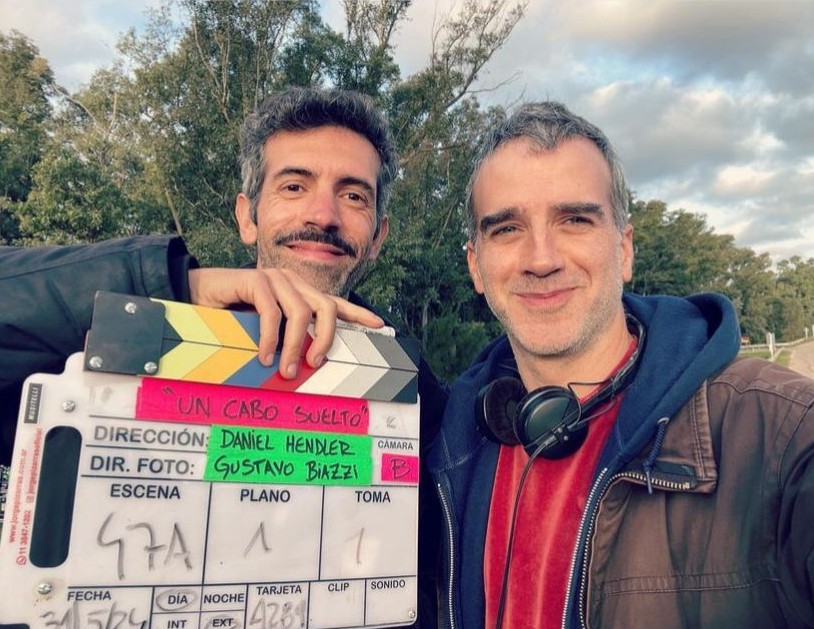
Between Uruguay and Argentina, Daniel Hendler’s A Loose End explores physical and symbolic borders. An interview on identity, territory, and creativity in film.
—What inspired you to tell the story of A Loose End?
I suppose all the back-and-forth between Uruguay and Argentina—all that transit across the border—sparked a certain sense of unease regarding the border. There is something about that arbitrary line that actually sharpens the contrast between the two sides, making the act of crossing feel like stepping into a different world. The rigid control of customs bureaucracy triggered a fantasy in me of simply getting lost in one of those crossings. From there, the character of Santiago Pallares was born—a man who is simultaneously fleeing and dreaming.

—The film explores themes of identity and borders. What role do these concepts play in the story?
Upon crossing the border, Corporal Santiago Pallares experiences a sort of leap into the void—a passage into the unknown that triggers an identity reset, wiping away his recent tracks. The border acts as the dividing line between his past self and the new image he’s trying to construct. To build this new persona, he pulls from his surroundings, adopting traits and quirks from the people he meets along the way—creating new landmarks on his path.
—Why did you choose Fray Bentos as the filming location?
It felt like the natural setting for this journey. On top of that, I really like the city and I’d been tempted to shoot there for a while.
—Do you have any funny or unexpected anecdotes from the shoot?
Nothing specific comes to mind right now. I remember that, when we filmed at Los Tamberitos, a cheese and dairy factory in Fray Bentos, they treated us to a delicious stew, and for dessert, they served crepes with freshly made dulce de leche—we simply couldn’t refuse. We all ate too much, so getting back to filming afterwards was a real struggle.
—How do you see the future of Uruguayan cinema? What advice would you give to young filmmakers?
It’s a broad question, but… to the youth (meaning my peers, right? —laughs—), I’d say: don’t focus your energy exclusively on commercial success. The greatest films in history probably couldn’t be made today under current market conditions; those celebrated directors would struggle to find funding. Sometimes, that cinematic chemistry found in great films is the product of something unexpected—something difficult to pitch or quantify beforehand, arising from a journey without a clear destination. The current market requires too much box-ticking and formula-following. While these might ensure a “safe” product, they also restrict you to what’s already established. If you are young, don’t miss the chance to experiment with your own curiosities before rushing to sell them.